Tensions flare in Belgrade over hunger strike by mother of Novi Sad victim
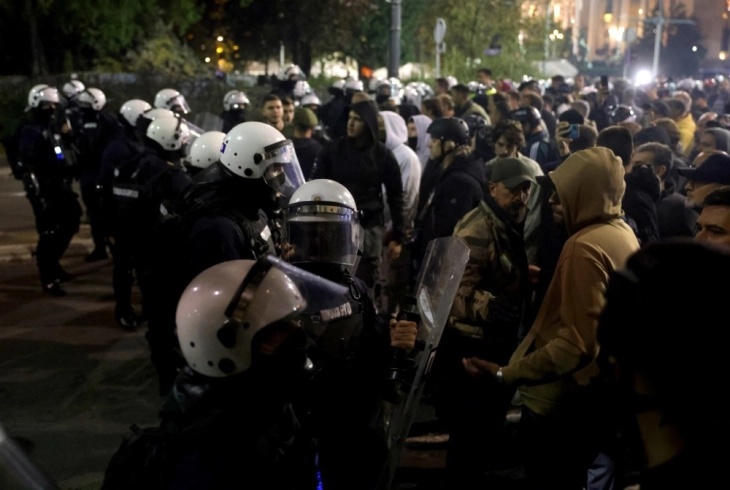
Zagreb, 3 November 2025 (Hina/MIA) - Tensions flared and clashes broke out in front of the Serbian parliament on Sunday as supporters of President Aleksandar Vučić confronted citizens backing Dijana Hrka, who began a hunger strike over her son's death in a railway station canopy collapse in Novi Sad.
Hrka began her hunger strike on Sunday demanding truth and accountability for the Nov. 1, 2024, collapse that killed her son Stefan and 15 other mostly young people, as well as the release of all students arrested during months-long protests and the calling of snap elections.
She announced the strike at a memorial gathering in Novi Sad on Saturday, later writing on Instagram: "The regime is hiding the truth about the murder of my son and 16 victims. I will no longer remain silent."
Hrka stressed that her strike is a protest against the Vučić regime, which she accuses of concealing the truth about the deaths for a year.
Police barred her from demonstrating directly in front of parliament, where a tent camp of Vučić supporters has been set up since April on one of Belgrade's busiest streets and is guarded daily by dozens of officers.
Reporters from Belgrade media said tensions escalated when Vučić supporters threw plastic bottles at Hrka's supporters, who responded in kind, followed by fireworks hurled from both sides. Police did not intervene but reinforced the cordons between the groups.
Provocations from the tent camp continued as patriotic songs were played, while those on the other side responded with insults.
Rallies in support of Hrka were also held Sunday evening in several Serbian cities, including Novi Sad, where Saturday's memorial was attended by around 39,000 people according to police, and about 110,000 according to the organisation Public Assembly Archive.